
Curaçao
Last updated: 3 February 2026
At a glance
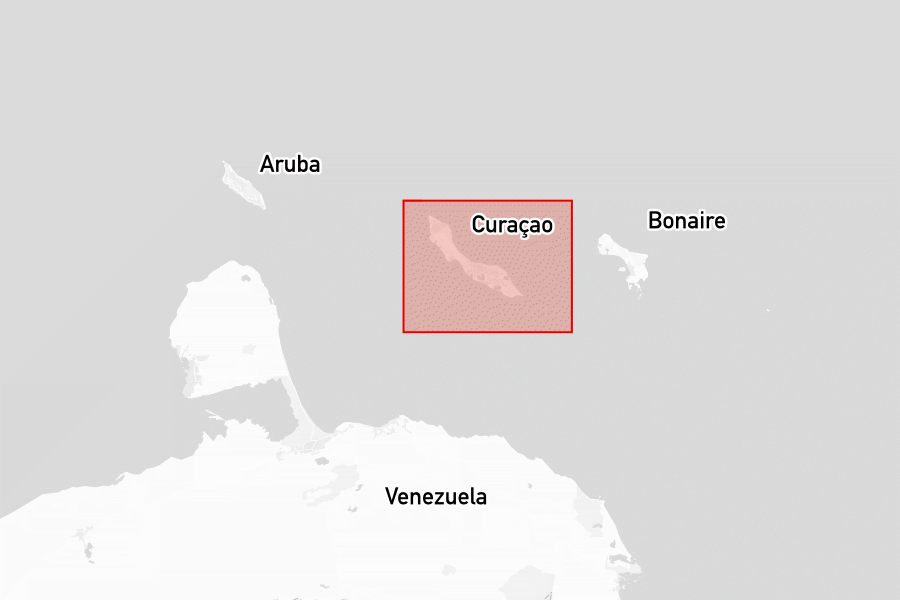
Curaçao is a small island nation in the southern Caribbean. The island is defined by its Dutch‑Caribbean culture, the historic waterfront centre of Willemstad, and shore‑accessible diving and snorkelling sites along the south coast.
Attractions
Willemstad stands out as a cultural and logistical hub for visiting sailors, showcasing Dutch colonial architecture and vibrant local life.
Klein Curaçao offers a quiet getaway from the main island. This small islet, located southeast of Curaçao, is known for its excellent snorkelling and for the viewpoint from the top of its derelict lighthouse.
Places to stay
Below are the most popular and highly rated places to stay, based on reviews from the noforeignland community:
Anchorages

|
This anchorage is very calm and offers good protection, with less traffic than nearby anchorages. Visitors enjoy easy access to nearby beaches and snorkeling spots. The presence of oil rigs may detract from the view for some.
|

|
Klein Curaçao
★
4.8
Visiting Klein Curaçao offers an experience of turquoise waters and beautiful scenery. The area is tranquil after tour boats depart around 1600, allowing for private exploration. Be aware of the rapid depth changes and the need for an anchor permit, priced at 25 US dollars for three nights.
|

|
Fuik Baai
★
4.3
The anchorage is well-protected with good holding. A calm environment allows for relaxation and swimming, though it can become busy and loud on weekends. Visitors noted the presence of mosquitoes, necessitating insect repellent.
|

|
Santa Cruz Bay
★
4.1
Easy anchoring is reported in sand at varying depths, with experiences of wind causing discomfort. Visitors appreciate the scenic beauty and quiet atmosphere, along with good holding in some areas. Local amenities like a beach bar add to the experience.
|

|
Spanish Waters
★
3.6
Good holding in mud and protection from swell are noted by visitors. Access requires taxi or bus for provisioning and services, with limited immediate options nearby. Efficiency and procedural issues reported during immigration and customs can impact the experience.
|

|
Piscadera Bay
★
3.3
The anchorage features soft holding, while the setting includes construction sites that impact views. Access to nearby facilities is straightforward, with public transport available. Visitors should check recent Reviews for additional context or updates.
|
Marinas

|
Seru Boca Marina
★
4.7
The marina offers 50Hz power and water at every slip, with very clean facilities. Guests mention the quiet and protective location, but it is isolated, requiring a rental car for access to local amenities. Frequent noise from nearby mining operations is noted as a drawback.
|

|
Barbara Beach Marina
★
4.5
Weekends at Barbara Beach Marina can be crowded and noisy due to local visitors, but weekdays are generally calm. The swimming area offers clear water and convenient facilities, though power may drop below required levels at night. The marina remains operational for short-term docking.
|
Boat services
Below are the most popular and highly rated boat services, based on reviews from the noforeignland community:
Boatyards

|
Curaçao Marine Zone
★
4.0
Service for boat maintenance, including haul-out and in procedures, is effectively managed. Staff demonstrate helpfulness and friendliness. A weekly BBQ night provides a social opportunity for visitors.
|
Chandlers

|
Budget Marine Curaçao
★
3.5
Friendly staff are noted in multiple Reviews. However, stock availability is limited, with several visitors recommending that they arrive with necessary items rather than relying on availability at this chandler. Prices are generally found to align with typical ship chandlery levels.
|
Yacht clearance links
Useful yacht clearance links:
- Curaçao Ports Authority: Customs and Immigration procedure
- https://curports.com/shipping/yachting/customs-immigration/
- Curaçao Ports Authority: Information about the lenght of stay for yachts and crew
- https://curports.com/shipping/yachting/
- Sail Clear: Pre arrival notification
- https://sailclear.com/index
- Coracao DI card: Online application
- https://dicardcuracao.com/dicard
- Noonsite: Clearance procedures, processes and fees.
- https://www.noonsite.com/place/curacao/
Yacht clearance reviews
The following lists summarize noforeignland user reviews for clearing in at ports of entry and when using clearance agents in Curaçao:
Ports of entry offices
|
Offers: Customs, and immigration.
Check-in and clearance procedures are efficient, with several reviews mentioning friendly staff providing quick, helpful service. Visitors appreciate the convenience of performing online tasks such as the Sailclear and DI cards to streamline the process. Many enjoyed nearby facilities like bars while waiting.
Place details mention: opening hours, check in steps and cruising permits.
|
|
Curaçao Customs
★
4.4
Offers: Customs.
Check-in procedures are centrally located. While the staff is generally friendly, multiple reviews indicate potential delays during checkout. Accessing the office from Spanish waters may require arranging expensive transportation, which affects overall efficiency.
Place details mention: check in steps, required documents, opening hours and prearrival requirements.
|
|
Offers: Port authority.
Friendly staff facilitate check-in and clearance processes. Visitors reported no issues during their interactions, though there were some questions regarding fee payments for specific anchorages. Costs for three days at alternative anchorages were noted as 25 USD.
Place details mention: opening hours, required documents and cruising permits.
|
|
Curaçao Immigration
★
3.8
Offers: Immigration.
The immigration office operates daily until 9pm, providing a streamlined clearing process. Access can be challenging but staff interactions are frequently positive. Consider transportation options beforehand, as using a taxi or renting a scooter often proves beneficial.
Place details mention: opening hours, check in steps and visitor visa requirements.
|
Notes for mariners
Visiting yachts must obtain an anchoring permit from the Harbor Master; the permit is issued after clearance with Immigration and Customs in Willemstad. Standard yacht stay is up to six months (with foreign crew generally limited to 180 days). Yachts left unattended are expected to be in approved yards or marinas rather than at anchor.
The off-season
Due to its location outside the hurricane belt, Curaçao remains a viable option for cruisers throughout the year. It is renowned for its active cruiser social scene, but availability of spaces to stay is limited and long‑term cruisers report rapid marine growth on hulls kept in the water here.
Facts for visitors
- Best times of year to sail here: Year-round, but prime season is December to April
- Most common type of shore power: 110/220V 50Hz
- Cost for provisioning: Medium.
- Currency: Caribbean guilder (XCG)
- Personal security: Generally safe, though some caution is advised in urban areas
- Emergency phone numbers:
- Police: 911
- Fire: 911
- Ambulance: 912
- Coast Guard: 913
- International dialing code: +599
- Time zone(s): UTC -4
Maritime history
Curaçao has long been a crucial maritime hub owing to its sheltered harbors and strategic position. Originally settled by the Arawak people, the island was later discovered by the Spanish in 1499. Throughout colonial times, Curaçao became a bustling trade center under Dutch rule, part of the famed Dutch West India Company routes. Its role as a freeport attracted merchants and settlers who established the storied city of Willemstad, now a UNESCO World Heritage Site.
During the 17th and 18th centuries, Curaçao emerged as a focal point for commerce and shipping, dealing in goods like salt and sugar, and implicating its harbors in the transatlantic slave trade. The architecture and urban planning of Willemstad still reflect this period, particularly the striking Handelskade waterfront. These historical layers are best explored through the island's preserved buildings and cultural sites.
In modern times, Curaçao's ports continue to serve as a prominent offshore banking and oil refining point, with an economy also buoyed by tourism and cruising visitors. The port of Willemstad facilitates an influx of luxury yachts and sailing vessels, drawn by the island's rich maritime history and favorable sailing conditions. Ongoing cultural events highlight its strategic importance and continuing legacy as a welcoming haven for seafarers.